
Signs Your Car Needs Immediate Brake Repair
Vehicle brakes are a critical component for ensuring driver's safety on the road, yet they often go overlooked until a problem arises. Regular brake maintenance is not only essential for prolonging the life of your vehicle but is crucial for your own safety and that of others on the road. Neglecting brake issues can lead to catastrophic failures, resulting in potentially fatal accidents or costly repairs. Early identification of brake problems allows for timely intervention, preventing minor issues from turning into significant hazards. By understanding common warning signs of brake failure, drivers can act promptly to ensure they maintain control over their vehicles under all conditions.
In a world where vehicle safety cannot be compromised, learning to recognize the tell-tale signs of brake problems is of paramount importance. While drivers often focus on engine performance or fuel efficiency, brake system integrity deserves equal attention given its role in safety. Brake issues do not only affect the stopping distance but can also alter the vehicle's handling and stability, posing a significant risk to all occupants. Despite the advanced safety technologies in modern cars, human vigilance remains essential in identifying and addressing brake issues as they arise. Understanding how weather, road conditions, and driving habits influence brake performance will help maintain optimal functioning.
While many trust dealerships for vehicle support, it's noteworthy that independent car repair businesses perform 75% of aftermarket vehicle repair work, according to LLCBuddy. This statistic suggests that many people turn to local experts for addressing brake concerns, relying on their specialized knowledge and cost-effective services. Vehicle owners should establish a relationship with trustworthy mechanics who can provide thorough inspections and competent advice regarding brake maintenance. By investing in regular brake inspections and heeding warning signs, drivers can save on long-term repair costs while ensuring a safer driving environment for themselves and others.
Unusual Noises When Braking
Squealing or Screeching Sounds
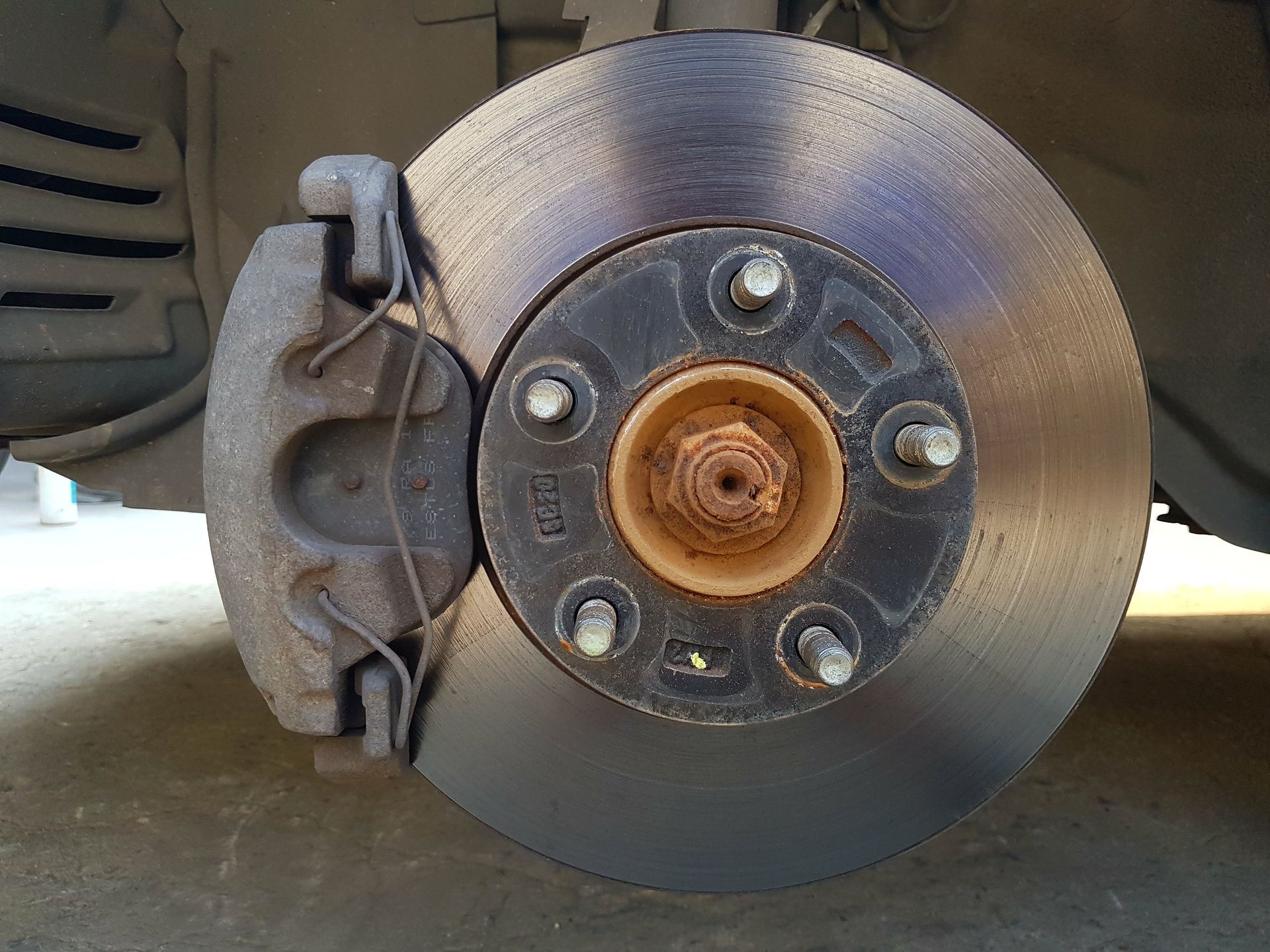
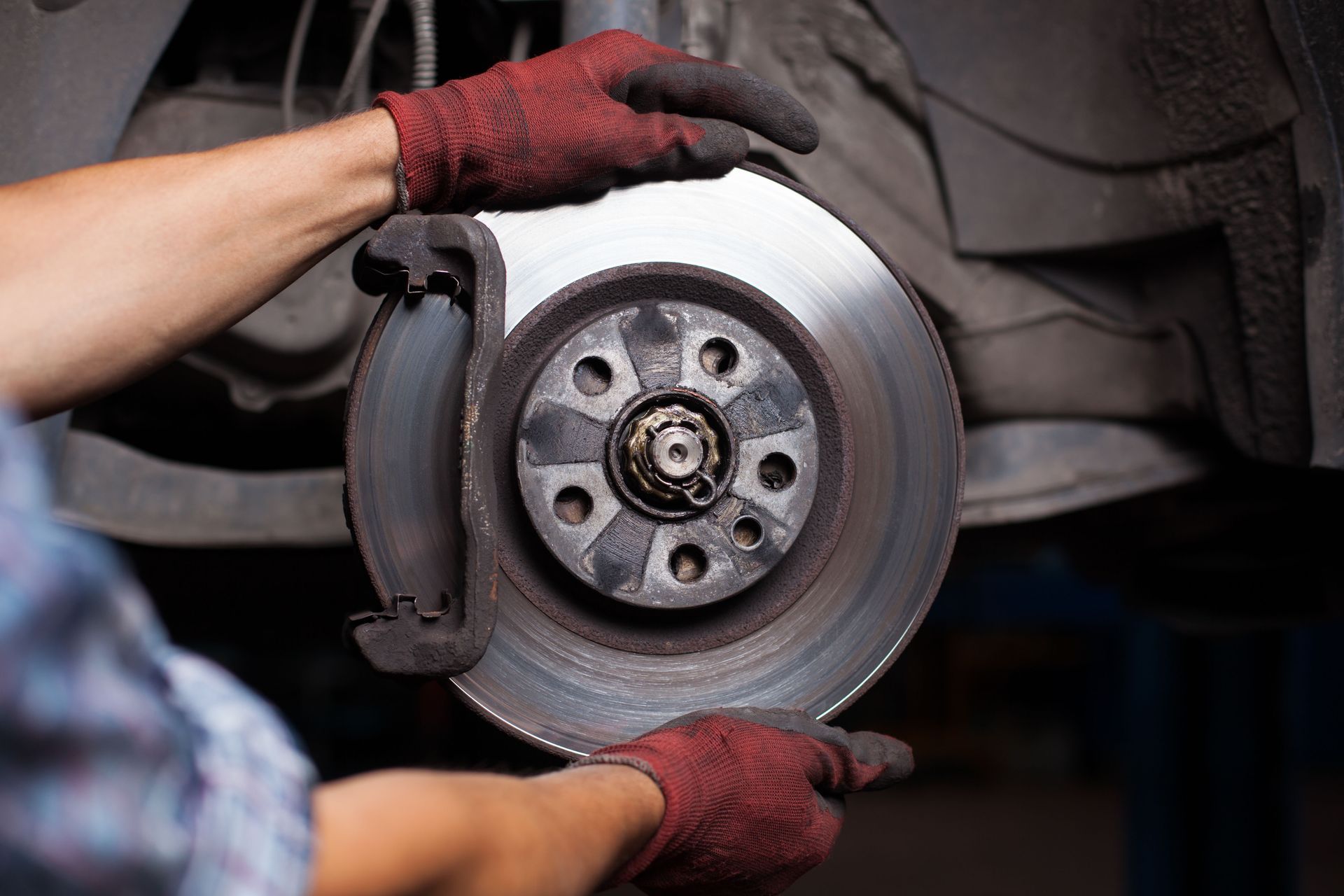
One of the earliest and most common indicators of brake system problems is the presence of unusual noises when applying the brakes. Squealing or screeching sounds often signal worn brake pads, which have a metal tab designed to emit noise as a warning. These high-pitched sounds serve as an audible cue that the brake pads have been reduced to a critical level and need replacement. Ignoring this warning can lead to more severe issues, including damage to the brake rotors which are more expensive to repair. Promptly addressing the issue not only increases vehicle safety but also extends the lifespan of other brake components.
In environments with frequent stop-and-go traffic, such as urban areas, the brakes are used more consistently, potentially accelerating pad wear and increasing noises. Additionally, factors like humidity and weather conditions can temporarily affect brake noises, causing confusion in identifying true issues. Independent car repair businesses, responsible for a significant portion of vehicle maintenance, can diagnose and rectify such problems efficiently. Vehicle owners should pay attention to the frequency and consistency of these noises, using them as an early signal to schedule a professional brake inspection. Acting swiftly on these noises avoids escalation into more complex and costly brake system problems.
Regular brake pad checks, ideally twice a year, are advised as part of routine vehicle maintenance. Though noise can sometimes be weather-related or due to debris, persistent squealing requires immediate attention from a professional mechanic. Ignoring such warning signs may not only compromise your safety but also increase repair costs, as worn pads that dig into rotors necessitate rotor replacement. By addressing brake pad wear promptly, drivers maintain their vehicle's performance and ensure it continues to meet safety standards. It is essential to understand that these sounds are more than just an annoyance, serving as a crucial indicator of the brake system's health.
Grinding Noise
A grinding noise while applying the brakes is another serious signal that warrants immediate attention. This sound usually occurs when the brake pads are worn down to the metal, causing metal-on-metal contact with the rotors. Such contact can severely damage the rotors, leading to expensive replacements if left unchecked. Drivers may also experience decreased braking efficiency, increasing stopping distances and putting passengers at risk. Addressing grinding noises swiftly by replacing brake pads and checking rotor condition is essential to maintain vehicle safety.
Due to the critical nature of grinding sounds, it is vital to understand the underlying causes and act accordingly. Poor driving habits, like hard braking, and infrequent brake inspections can expedite pad wear, exacerbating potential damage. When independent car repair shops handle around 75% of aftermarket services, turning to such expertise ensures a reliable solution to grinding issues. They can accurately diagnose the problem, propose effective solutions, and offer affordable repairs. Ensuring that brake pads are replaced timely, and rotors are checked for integrity, can avoid extensive future repairs or accidents.
Regular maintenance and prompt action are key when faced with grinding noises in your vehicle's braking system. Routine checks and maintenance from trusted professionals can help identify and address issues before they become more expensive and hazardous. The importance of addressing grinding noises cannot be understated, as allowing this condition to persist damages more than just the brake pads. Through vigilant observation and timely intervention, drivers safeguard not only their vehicle's components but also their overall driving safety. It is crucial for all drivers to remain alert to these auditory signs, treating them as critical cues to initiate maintenance processes.
Clicking or Thumping Sounds
Clicking or thumping sounds during braking can indicate loose or damaged components within the braking system. The origin of these noises may be complex, ranging from improperly installed brake hardware to calipers that aren't secured correctly. Over time, even minor components can wear down, causing audible cues that signal the need for maintenance. Ignoring such noises can further compromise braking reliability, as loose parts may interfere with brake pressure distribution. Identifying the exact source of clicking sounds requires a careful assessment from a knowledgeable mechanic.
Drivers may notice these sounds while navigating rough terrains or during abrupt braking situations. Such noises aren't merely irritants but should be regarded as alarms that demand immediate attention. Given the intricate structure of braking systems, expert mechanics, like those in independent repair businesses, are paramount in diagnosing and rectifying the root causes. Investing in timely inspection and part replacement prevents escalation of damage, ensuring safety remains uncompromised. Attention to clicking sounds is crucial as they may indicate underlying issues that could impair braking performance if not resolved.
Addressing unexpected sounds within the braking system involves a detailed examination of brake pads, calipers, and associated hardware. Taking preventive measures against component malfunction through regular checks protects the driver and enhances the vehicle's longevity. Early detection and correction of issues leading to clicking noises ensure brake efficiency and reliability on the road. Instead of dismissing these sounds as random quirks, vehicle owners should prioritize systematic checks and consult professionals promptly. By doing so, drivers nurture their vehicle's health while securing peace of mind in their driving experience.
Types of Brake Noise by Environment
Brake noises can vary significantly depending on environmental conditions and driving situations. Wet conditions can lead to temporary odd noises caused by water or moisture between the brake pads and rotors. In cold climates, frost can mimic some brake issues but usually subsides once components warm up. It's crucial for drivers to differentiate between environmental noise and genuine mechanical concerns. Observing when these noises occur—such as whether they persist in different conditions—can guide a more accurate diagnosis. Be sure to reach out to Autobahn Imports today for more information on our professional local brake repairs!

Share On: